Hwange National Park Game Drive Experience: A Journey into the Wild

tongesai mutematsaka • February 23, 2026

Hwange National Park Game Drive Experience: A Journey into the Wild

Introduction

Hwange National Park, Zimbabwe’s largest wildlife reserve, is a place where nature unfolds in its rawest form. Covering over 14,600 square kilometres, it is home to one of Africa’s most diverse animal populations. A game drive here is not just a safari — it’s an immersion into the rhythms of the wild.

The Thrill of the Drive

As the sun rises over the savannah, the adventure begins. The cool morning air carries the calls of distant birds, and the anticipation builds with every turn of the dusty track. Guided by experienced rangers, visitors are taken deep into the park’s varied landscapes — from teak forests to open grasslands and seasonal pans.

Wildlife Encounters

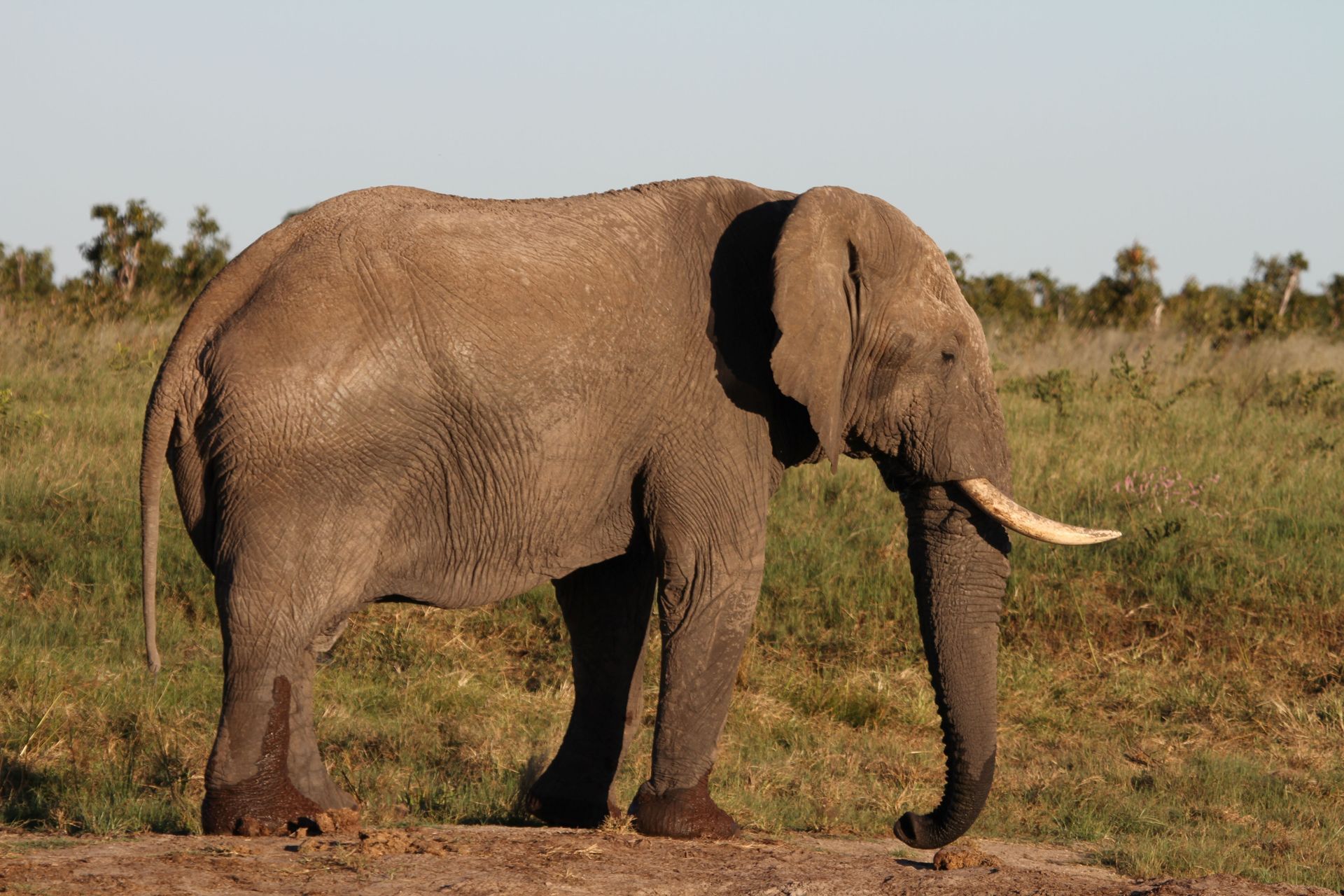
Hwange is famous for its elephant population, the largest in the world. Herds numbering in the hundreds gather at waterholes, offering unforgettable sightings. But elephants are just the beginning:

  • Predators: Lions, leopards, and cheetahs roam the park, often spotted during early morning or late afternoon drives.
  • Herbivores: Giraffes, zebras, buffalo, and antelope species like sable and kudu graze peacefully.
  • Birdlife: With over 400 species recorded, Hwange is a paradise for birdwatchers.

Each drive is unique — no two experiences are ever the same.

The Magic of Sundowners

Evening game drives end with breathtaking sunsets. As the sky turns shades of orange and purple, guests often enjoy a sundowner drink while watching wildlife gather at watering holes. It’s a moment of serenity, where time seems to pause.

Conservation and Community

Hwange is not only about wildlife; it’s a story of conservation and community. Local guides share insights into the park’s history, the challenges of protecting endangered species, and the importance of eco‑tourism in sustaining livelihoods.

Why Hwange Should Be on Your Bucket List

  • Accessibility: Just a few hours from Victoria Falls.
  • Diversity: A mix of landscapes and wildlife unmatched in Southern Africa.
  • Authenticity: Less crowded than other parks, offering a more intimate safari experience.

Conclusion

A game drive in Hwange National Park is more than a safari — it’s a journey into the heart of Africa’s wilderness. Whether it’s the sight of elephants at dusk, the roar of a lion in the distance, or the quiet beauty of a sunrise over the plains, Hwange leaves every visitor with memories that last a lifetime.
By tongesai mutematsaka March 11, 2026
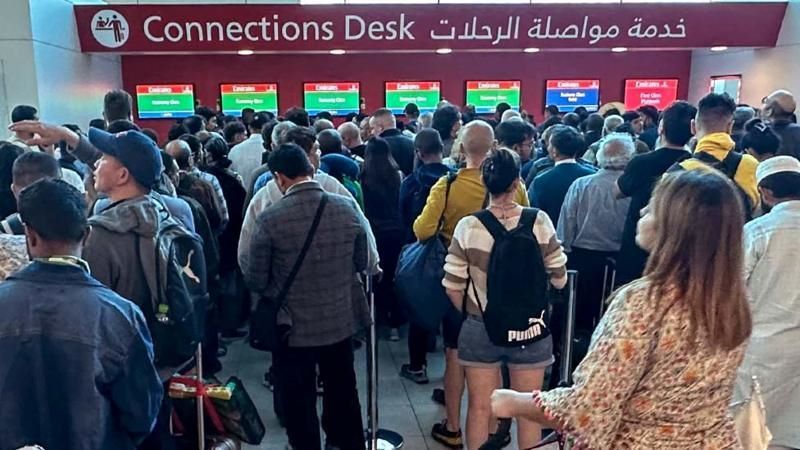
Travel Disruptions for Africa-Bound Travelers Amid Iran Conflict  The ongoing war involving Iran has sent shockwaves through global aviation, and travellers heading to Africa are feeling the impact. With Middle Eastern airspace closures and major Gulf hubs grinding to a halt, journeys that once flowed smoothly through Dubai, Doha, and Abu Dhabi are now riddled with cancellations, rerouting, and uncertainty. Why This Matters For years, Gulf hubs have been the lifeline for Africa-bound travellers. Dubai International Airport alone handled nearly 100 million passengers annually, many connecting to African destinations. Now, with airspace restrictions across Iran, Iraq, Israel, Kuwait, Qatar, UAE, and Bahrain, those connections have been severed. The ripple effect is hitting African airlines hard, especially EgyptAir and Ethiopian Airlines, which rely heavily on Gulf transit routes. The Impact on African Travel Flight cancellations and delays: Thousands of flights have been grounded, leaving passengers stranded or rerouted. Longer journeys: Travelers are being redirected through European hubs like Paris, Frankfurt, and London, adding hours to itineraries. Rising costs: Rerouting increases operational expenses, which airlines are passing on to passengers. Tourism slowdown: African destinations dependent on international arrivals risk losing billions in tourism revenue if disruptions persist. What Travelers Can Do Check flight status daily: Schedules are changing rapidly—always confirm before heading to the airport. Choose European connections: While longer and pricier, European hubs remain operational and reliable. Book direct Africa-to-Africa flights: For regional travel, avoid international hubs altogether. Opt for flexible tickets: Choose fares that allow changes without heavy penalties. Get travel insurance: Protect yourself against cancellations, rerouting, or extended layovers. Final Word Africa remains open and accessible, but the path there has become more complicated. Travelers should expect uncertainty, budget for higher fares, and plan extra time for their journeys. Flexibility is key: those who adapt quickly to changing routes will still find their way to Africa’s vibrant destinations, even in the midst of global turbulence.
By tongesai mutematsaka February 26, 2026
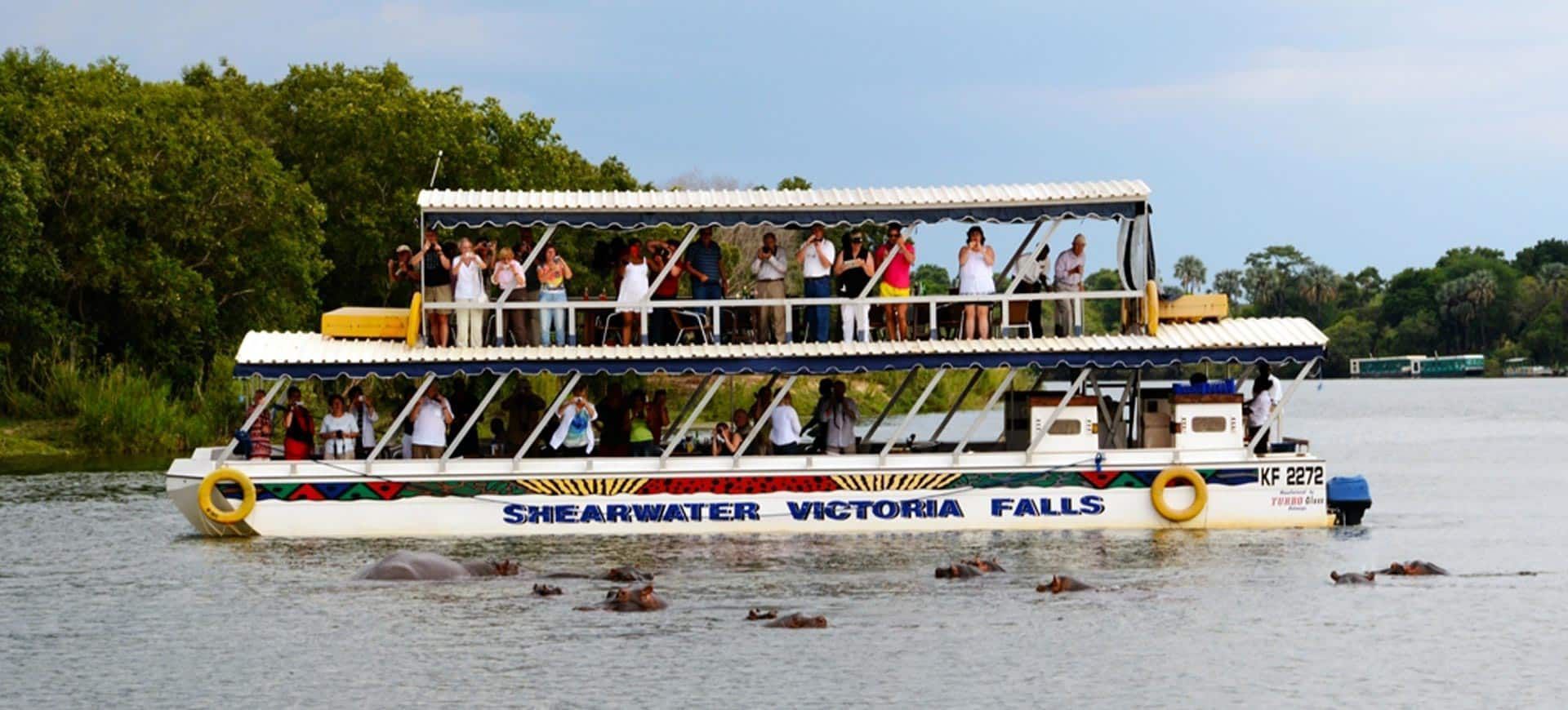
Exploring Victoria Falls: Game Drive & Sunset Cruise Victoria Falls is often celebrated for its thundering waterfall, but the surrounding wilderness offers experiences that go far beyond the mist. A game drive through Victoria Falls National Park paired with a sunset boat cruise on the Zambezi River creates a safari adventure that blends raw excitement with serene beauty. Game Drive in Victoria Falls National Park Wildlife Encounters : The park is home to elephants, buffalo, giraffes, zebras, and a variety of antelope. Predators like lions and leopards are occasionally spotted, adding to the thrill. Scenic Terrain : The drive takes you through teak woodlands, mopane forests, and open grasslands, each offering unique photographic opportunities. Close to the Falls : Unlike many safari destinations, Victoria Falls National Park gives you the rare chance to combine wildlife viewing with the world’s largest waterfall just minutes away. Sunset Boat Cruise on the Zambezi River Aquatic Wildlife : Hippos and crocodiles are common sights, while elephants often wander down to the riverbanks to drink and bathe. Birdwatcher’s Paradise : The river is alive with birdlife—African fish eagles, kingfishers, and herons provide a soundtrack to the cruise. Golden Hour Magic : As the sun sets, the Zambezi transforms into a canvas of orange and pink hues. Watching the silhouettes of elephants against the glowing horizon is a memory that lingers long after the trip. Why This Combination Works Contrast of Pace : The game drive is adventurous and dynamic, while the boat cruise is tranquil and reflective. Together, they balance adrenaline with relaxation. Diverse Perspectives : On land, you witness the raw power of wildlife in their natural habitat. On water, you see animals from a unique angle, often closer and more intimate. Unforgettable Atmosphere : Few experiences rival hearing lions roar in the distance during a drive, then drifting along the Zambezi as the sky melts into twilight. Final Thoughts A day spent on safari in Victoria Falls National Park followed by a sunset cruise on the Zambezi River is the perfect way to experience the essence of Africa—wild, untamed, and breathtakingly beautiful. It’s not just about seeing animals; it’s about feeling the rhythm of nature and being part of a landscape that has captivated explorers for centuries.
By tongesai mutematsaka February 26, 2026
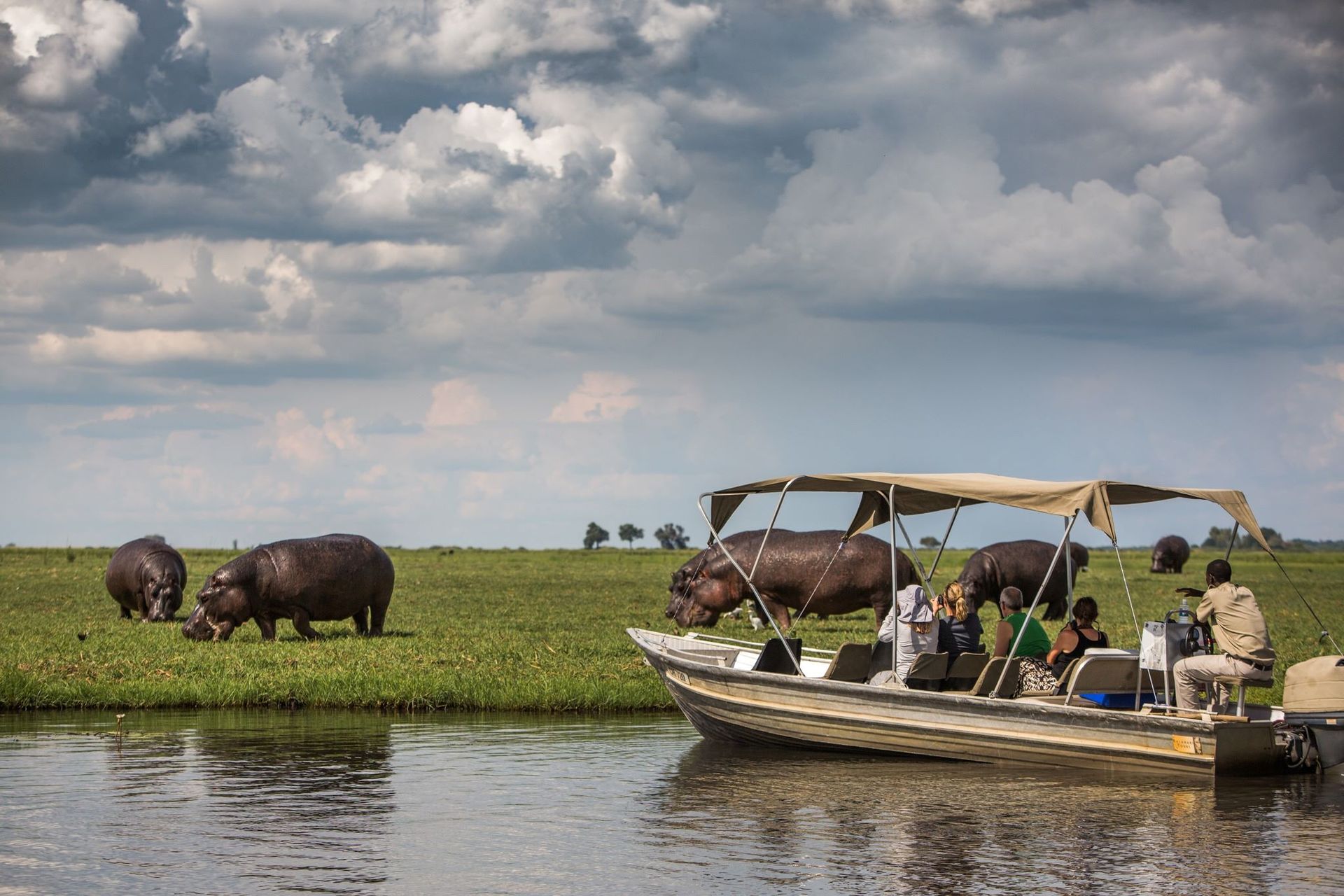
A Journey Through Chobe: Game Drive & River Safari Few places in Africa capture the raw beauty of wilderness quite like Chobe National Park in Botswana. Known as the "Land of Giants" for its massive elephant population, Chobe offers travelers a chance to experience wildlife encounters both on land and water. A game drive through the park and a boat cruise along the Chobe River together create an unforgettable safari adventure.  Game Drive in Chobe National Park Wildlife Encounters: Chobe is home to one of the largest concentrations of elephants in Africa. On a morning or afternoon game drive, you’ll likely see herds moving gracefully across the savannah. Lions, leopards, buffalo, giraffes, and antelope also roam freely. Scenic Landscapes: The park’s terrain shifts from mopane woodlands to open grasslands, each offering unique photographic opportunities. Sunrise and sunset drives are especially magical, with golden light illuminating the dust trails of migrating herds. Thrill of the Chase: Unlike a zoo or reserve, animals here are truly wild. Spotting predators on the hunt or elephants bathing in mud pools adds a sense of raw authenticity to the experience. Safari Boat Cruise on the Chobe River Aquatic Wildlife: The Chobe River is a lifeline for countless species. Hippos wallow in the shallows, crocodiles bask on the banks, and elephants wade in to cool off. Birdlife is spectacular, with fish eagles, kingfishers, and herons adding color and sound to the journey. Unique Perspective: Viewing animals from the water offers a completely different angle. You can drift quietly past herds of buffalo or watch elephants swimming—something rarely seen on land safaris. Sunset Magic: Evening cruises are especially popular. As the sun dips below the horizon, the river glows orange and pink, creating a breathtaking backdrop for wildlife photography. Why Combine Both? Complementary Experiences: The game drive immerses you in the rugged terrain, while the boat cruise reveals the river’s tranquil ecosystem. Together, they showcase the full diversity of Chobe’s wildlife. Balanced Pace: The drive is adventurous and dynamic, while the cruise is calm and reflective. This balance makes for a well-rounded safari day. Memorable Moments: Few experiences rival watching elephants cross the river at dusk or hearing lions roar in the distance as you return from a drive. Final Thoughts A visit to Chobe National Park is more than just a safari—it’s a journey into the heart of Africa’s wilderness. Whether bouncing along dusty tracks in search of predators or gliding silently on the Chobe River, you’ll leave with memories etched in golden sunsets, trumpeting elephants, and the timeless rhythm of nature.
By tongesai mutematsaka February 25, 2026
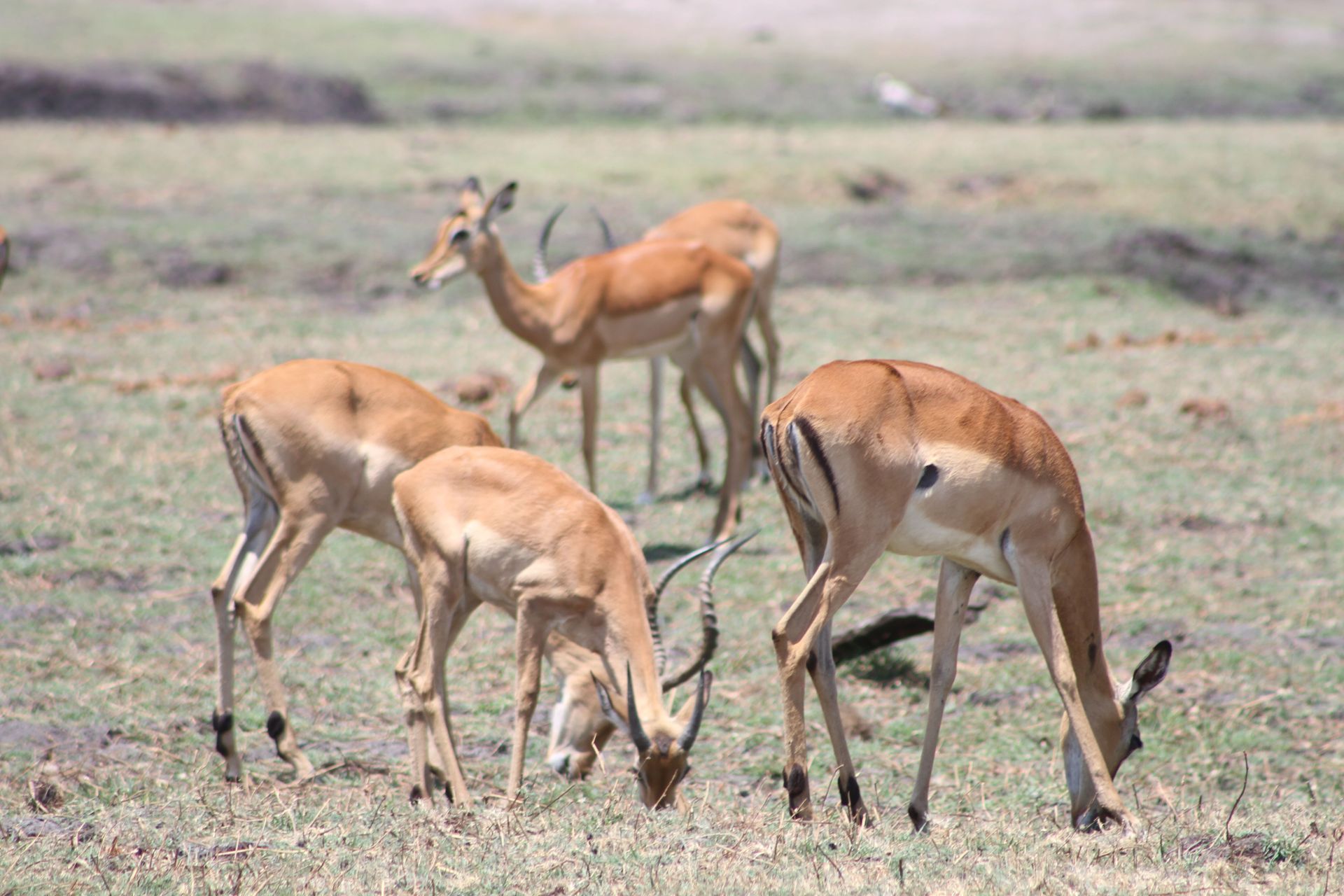
What is Rutting? Rutting refers to the mating season when male impalas compete fiercely for dominance and breeding rights. Normally quiet and elegant, males suddenly become loud, aggressive, and restless. The term “rut” itself comes from the Latin word rugire, meaning “to roar” — a fitting description of the guttural calls echoing through the savannah. The Trigger: Changing Seasons Rutting typically begins as summer wanes and days shorten, around April to May in southern Africa. Hormonal changes in males drive them to stake out territories and challenge rivals. Females, synchronized by seasonal cycles, come into oestrus during this period, making it a short but intense window for reproduction. Behavior During Rut Vocal Displays: Males roar loudly, a sound that can be mistaken for predators by inexperienced safari-goers. Territorial Battles: Dominant males chase rivals, lock horns, and engage in exhausting duels. Energy Drain: The effort is so consuming that males often neglect feeding, leaving them vulnerable to predators. Survival and Risk The rut is not just about mating — it’s also about survival. Predation Risk: The noise and chaos attract predators like lions and leopards. Weakened Males: After weeks of fighting and mating, dominant males are often exhausted, making them easy targets. Genetic Success: Despite the risks, this intense competition ensures that only the strongest males pass on their genes. Why It Matters The rutting season is a cornerstone of impala success. Their abundance across Africa is largely due to this synchronized breeding strategy, which floods the landscape with young impalas at once — overwhelming predators and ensuring survival of the species. Final Thoughts The rutting season of impalas is a reminder that even the most “ordinary” animals hold extraordinary stories. Next time you’re on safari, don’t just look for the Big Five — pause to listen for the roars of rutting impalas. You’ll witness one of nature’s most dramatic and underappreciated performances.
By tongesai mutematsaka February 25, 2026
Understanding Musth in Bull Elephants and Staying Safe  Bull elephants are awe-inspiring creatures, but during musth , their behaviour changes dramatically. Knowing how to recognize and respond to this state is crucial for avoiding danger, whether you’re a wildlife enthusiast, safari-goer, or living near elephant habitats. What Is Musth? Musth is a periodic condition in sexually mature male elephants, driven by surges in testosterone—sometimes up to 100 times higher than normal . It can last from weeks to months . The term comes from the Persian word mast, meaning “intoxicated,” reflecting the elephant’s altered state. Signs of Musth Physical indicators : Secretion of a hormone-rich fluid (temporin) from glands on the sides of the head. Continuous dribbling of urine down the hind legs. Behavioral changes : Heightened aggression and irritability. Unpredictable movements and charging. Reduced tolerance for other elephants, humans, or vehicles. Why Musth Is Dangerous Elephants in musth are more likely to attack without provocation. Their sheer size and strength make encounters potentially fatal. Even experienced mahouts and rangers treat musth bulls with extreme caution. Best Ways to Avoid Danger Maintain distance : Never approach a bull elephant showing signs of musth. Observe quietly : Loud noises, sudden movements, or honking can trigger aggression. Stay in vehicles : On safari, remain inside and avoid blocking the elephant’s path. Respect their space : Give them room to move freely; never corner or challenge them. Follow expert guidance : Rangers and guides are trained to recognize musth behavior—listen to their instructions. Avoid solitary bulls : Musth elephants often roam alone; encountering one requires extra caution.
By tongesai mutematsaka February 25, 2026
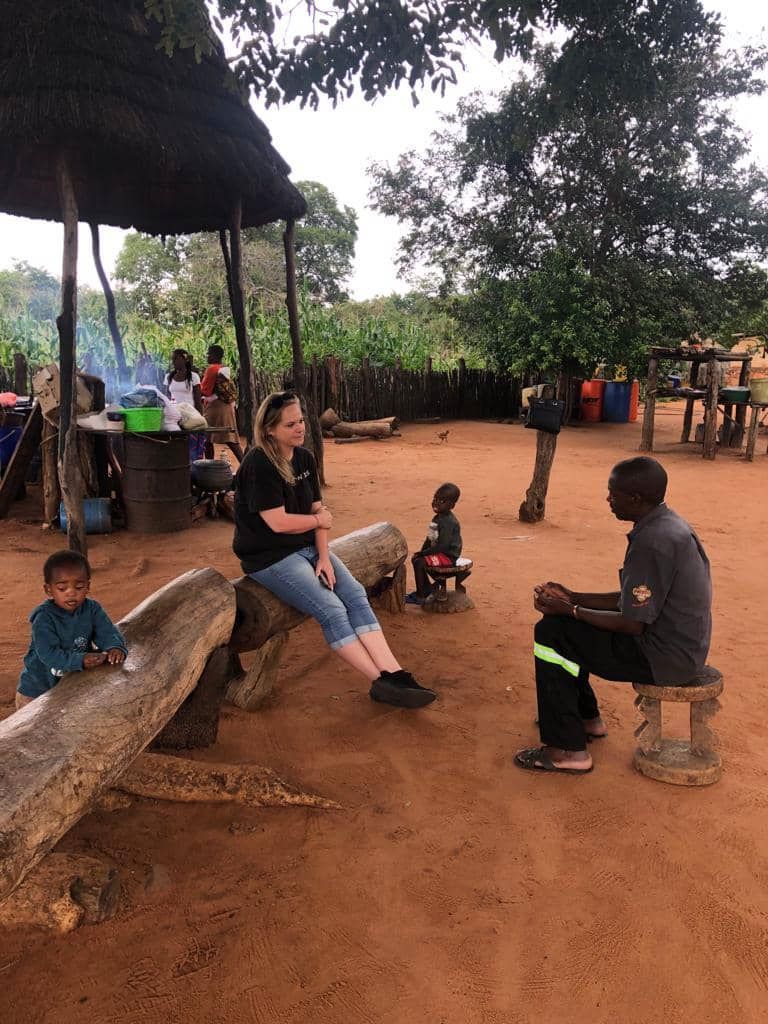
A Local Village Tour Experience in Victoria Falls When most travellers think of Victoria Falls, the thundering curtain of water and adrenaline-filled adventures often come to mind. Yet, just beyond the mist lies another treasure—an authentic cultural encounter with the local villages that surround this natural wonder. A village tour here is not just a visit; it’s an immersion into the rhythms of daily life, traditions, and warm hospitality of Zimbabwean communities. Welcoming Smiles and First Impressions The journey begins with a short drive from town into the rural outskirts. As you arrive, you’re greeted by wide smiles and curious children, their laughter echoing through the dusty paths. The village headman or guide often leads the way, sharing stories about the community’s history and customs. Immediately, you sense that this is more than sightseeing—it’s a genuine exchange. Daily Life Unfolds Walking through the homesteads, you’ll see traditional huts built from mud and thatch, each carefully maintained. Women may be grinding maize into mealie-meal, while men tend to livestock or craft tools. Guests are often invited to try their hand at simple tasks—pounding grain, stirring a pot over the fire, or even learning a few words in the local language. These moments bridge cultures in the most natural way. Traditions and Storytelling A highlight of the tour is listening to elders recount folklore and ancestral tales. Their voices carry wisdom passed down through generations, offering insight into values of respect, community, and harmony with nature. Sometimes, visitors are treated to traditional dances or songs performed by villagers, vibrant displays of heritage that leave lasting impressions. Connection Through Food No cultural experience is complete without sharing a meal. Guests may taste sadza (a staple maize dish), relish made from vegetables, or even roasted groundnuts. Simple yet hearty, the food reflects the resourcefulness and traditions of rural life. Sharing a meal together becomes a symbol of friendship and gratitude. Why It Matters Beyond the enriching experience, village tours contribute directly to the local economy. Fees support families, education, and community projects, ensuring that tourism benefits everyone. For travellers, it’s a chance to step away from the tourist trail and connect with the heart of Zimbabwe—its people. Final Thoughts A local village tour in Victoria Falls is not about ticking off another attraction. It’s about slowing down, listening, and appreciating the everyday lives that thrive alongside one of the world’s greatest natural wonders. For many visitors, this cultural immersion becomes the most memorable part of their journey—an experience that lingers long after the roar of the Falls fades.
By tongesai mutematsaka February 24, 2026
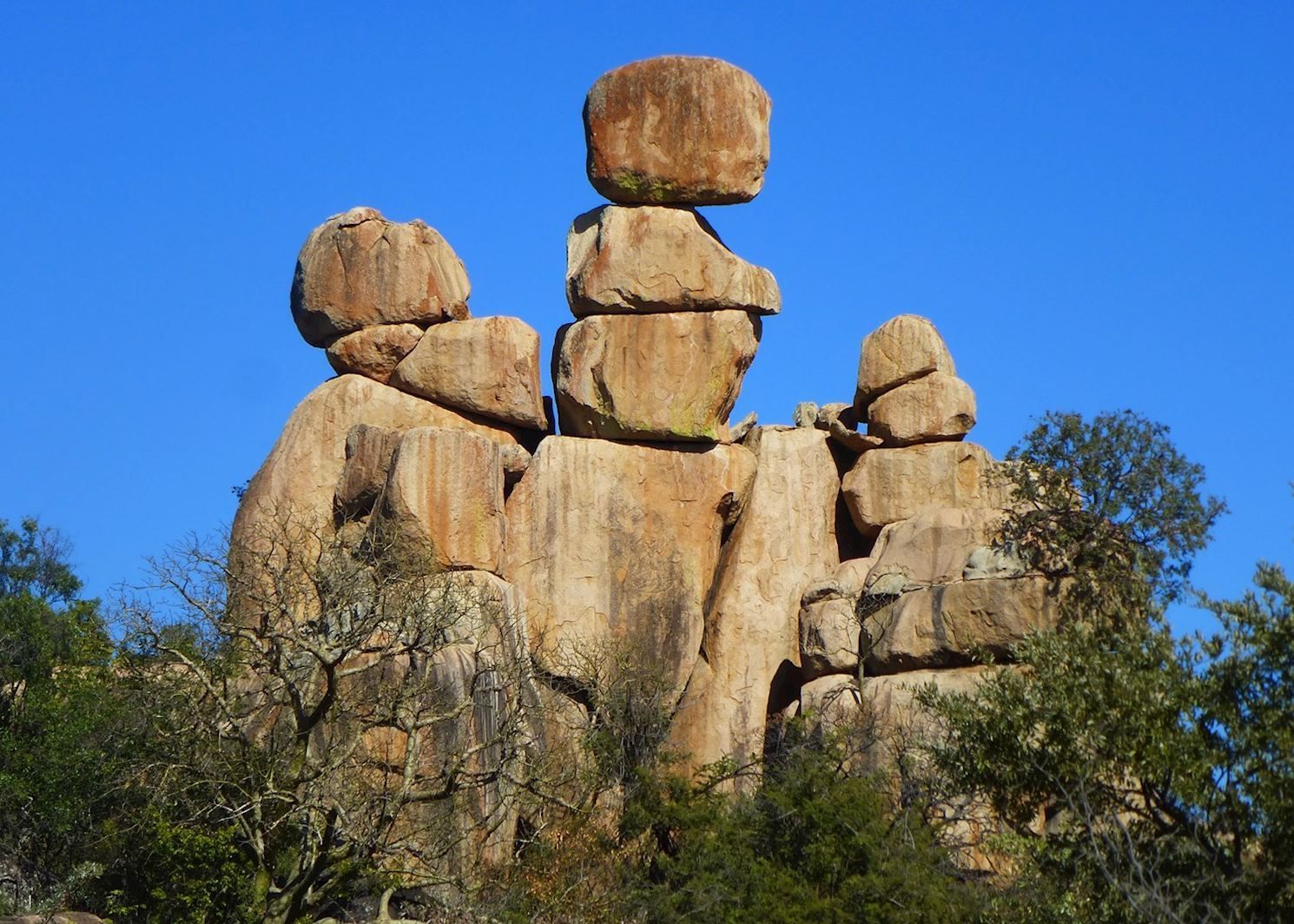
Matopo National Park: Zimbabwe’s Timeless Wilderness A Landscape Carved by Time  Matopo National Park, located just 35 km south of Bulawayo, is one of Zimbabwe’s most enchanting destinations. Famous for its dramatic granite outcrops—balancing rocks sculpted over millions of years—the park feels like a natural cathedral. These formations, known as the Matobo Hills , are not only breathtaking but also steeped in spiritual and cultural significance. Locals often describe the area as sacred, a place to reflect and reconnect with nature. Wildlife Encounters While the rocks dominate the scenery, the park is also a haven for wildlife. It is one of Zimbabwe’s three intensive rhino protection zones, home to both black and white rhinos. Leopards thrive here thanks to the abundance of rock hyrax, their primary prey. Visitors may also spot giraffes, zebras, wildebeest, sable antelope, and impala roaming the valleys. Bird enthusiasts will be delighted by the diversity—over 200 species of trees and countless grasses provide habitats for a rich array of birdlife. Ancient Rock Art Matopo is not just about wildlife and scenery—it’s a living museum. The park contains more than 3,000 registered rock art sites , with some of the finest San (Bushmen) paintings in Southern Africa. Caves like Nswatugi preserve artworks dating back as far as 13,000 years, offering a rare glimpse into the spiritual and everyday lives of early humans. Cultural and Historical Significance The park is also the resting place of Cecil John Rhodes, whose grave at World’s View offers panoramic vistas across the hills. For many Zimbabweans, Matopo is a place where history, culture, and spirituality converge. It’s a destination that speaks to both the soul and the senses. Activities for Visitors Game drives : Spot rhinos, leopards, and antelope in their natural habitat. Birding : Seek out raptors and other species thriving in the diverse ecosystems. Hiking : Explore trails winding through granite hills and valleys. Cultural tours : Visit local villages and learn about traditions tied to the land. Rock art exploration : Step into caves adorned with ancient paintings. Why Visit Matopo? Matopo National Park is not about chasing the “Big Five” alone—it’s about immersing yourself in a landscape that feels eternal. It’s a place where geology, wildlife, and human history intertwine, creating an experience that is as profound as it is beautiful.
By tongesai mutematsaka February 24, 2026
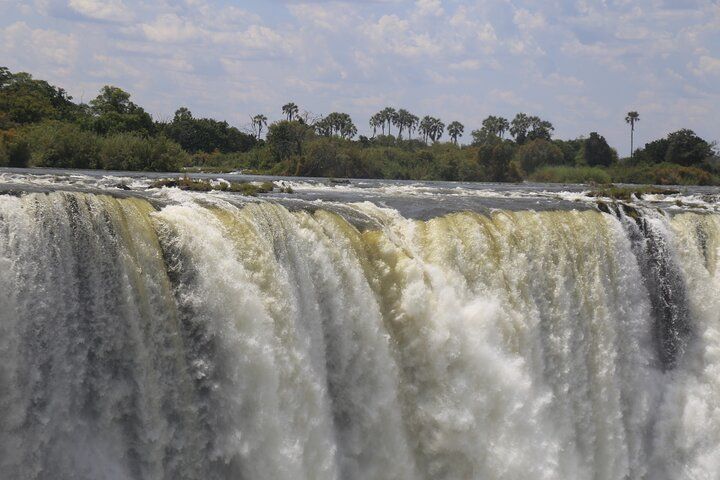
Traveling to Victoria Falls: Gateway to Adventure  Victoria Falls, one of the Seven Natural Wonders of the World , is a bucket-list destination for travellers seeking awe-inspiring landscapes, thrilling adventures, and cultural immersion. Whether you’re coming from within Africa or abroad, there are several ways to reach this iconic holiday spot on the border of Zimbabwe and Zambia . By Air Victoria Falls International Airport (Zimbabwe) : The most convenient entry point, with direct flights from Johannesburg, Cape Town, Nairobi, and other African hubs. Harry Mwanga Nkumbula International Airport (Livingstone, Zambia) : Just across the border, offering flights from Lusaka, Johannesburg, and regional cities. Kasane Airport (Botswana) : Ideal if combining a safari in Chobe National Park with a visit to the Falls. Transfers by road take about 1.5 hours. By Road From Zimbabwe : Well-connected highways link Victoria Falls to Bulawayo and Harare. Self-driving offers flexibility, though long distances require careful planning. From Zambia : A short drive from Livingstone, with easy border crossing at the Victoria Falls Bridge. From Botswana : Road transfers from Kasane are popular, especially for travelers combining Chobe safaris with the Falls. By Train Luxury trains : The Rovos Rail and Shongololo Express offer elegant journeys from South Africa, combining old-world charm with scenic landscapes. Local trains : Zimbabwe’s rail system connects Bulawayo to Victoria Falls, though slower and less reliable, it’s a nostalgic option for adventurous travelers. By River (Unique Experience) While not a mainstream travel route, some adventure packages include Zambezi River cruises that end near Victoria Falls. These are more leisure experiences than practical transport, but unforgettable nonetheless. Tips for Travelers Visas : Check entry requirements for Zimbabwe and Zambia. The KAZA UniVisa allows easy movement between the two countries and day trips into Botswana. Best time to visit : February–May : Peak water flow, dramatic spray, and thunderous falls. September–December : Lower water levels, better visibility of the rock formations, and thrilling activities like Devil’s Pool. Combine experiences : Many travelers pair Victoria Falls with safaris in Hwange (Zimbabwe), Chobe (Botswana), or the Okavango Delta. Victoria Falls isn’t just a destination—it’s a crossroads of adventure. Whether you arrive by plane, road, rail, or river, the journey itself becomes part of the magic.
By tongesai mutematsaka February 24, 2026
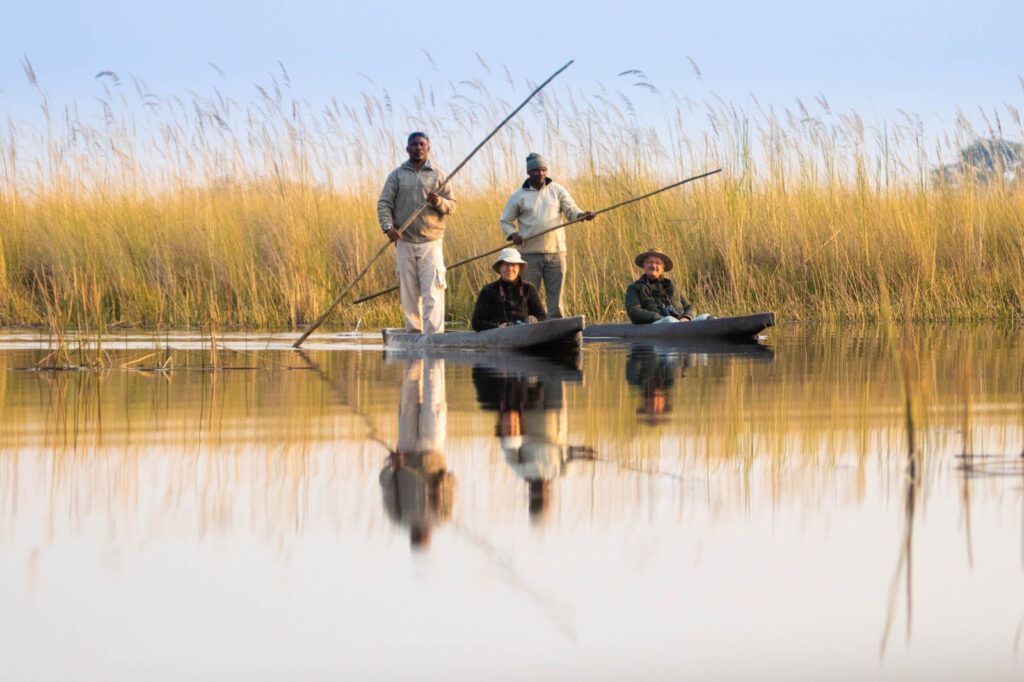
The Mokoro Experience in the Okavango Delta, Botswana Few safari experiences capture the essence of tranquillity and intimacy with nature quite like a mokoro ride in the Okavango Delta. This UNESCO World Heritage Site, the world’s largest inland delta, is a mosaic of lagoons, channels, and floodplains—and the mokoro is its most iconic way to explore. What is a Mokoro? A traditional dugout canoe , once carved from large trees like the sausage tree. Today, many mokoros are made from fiberglass to protect local forests, but they retain the same design. Propelled by a long pole from the stern, similar to punting, allowing silent gliding through shallow waters. The Experience Serenity on the Water The silence of the mokoro means wildlife is less disturbed, offering rare close encounters. Glide past reed beds, water lilies, and papyrus , with only the sound of the pole dipping into the water and birdsong overhead. Wildlife Encounters Birdwatching paradise : kingfishers, jacanas, African fish eagles, and herons. Spot tiny frogs resting on reeds , or watch elephants wading across channels. Predators like lions and leopards may be seen along the banks, while antelope graze nearby. Cultural Connection Mokoros have been used for centuries by local communities as transport and for fishing. Riding one connects travellers to the heritage of the delta’s people , blending culture with nature. Best Time for a Mokoro Safari May to September : Peak flood season, when waterways are full and mokoro rides are at their most magical. October to March : Lower water levels may limit availability, but birdlife is abundant. Why It’s Unmissable Offers a water-level perspective unlike any other safari activity. Combines adventure and peace , perfect for photographers, birders, and those seeking immersion. Often described as the ultimate Okavango experience , balancing wildlife, scenery, and cultural authenticity. A mokoro safari is not about speed or distance—it’s about slowing down, listening, and letting the delta reveal its secrets. 
By tongesai mutematsaka February 24, 2026
The Safari Experience in Moremi National Park, Botswana Nestled in the heart of the Okavango Delta, Moremi Game Reserve (often referred to as Moremi National Park) is one of Africa’s most celebrated safari destinations. It offers a rare blend of diverse ecosystems, abundant wildlife, and cultural heritage, making it a must-visit for travellers seeking an authentic wilderness adventure. A Brief History • Established in 1963 by the Batawana people to protect the fragile ecosystem of the Okavango Delta. • Named after Chief Moremi III and his wife, who played a pivotal role in conservation efforts. • Today, it spans 5,000 km², combining permanent water channels, floodplains, lagoons, and dry savannahs. The Safari Experience Wildlife Encounters • Big Five: Lions, leopards, elephants, buffalo, and rhinos roam freely. • Rare species: Wild dogs, cheetahs, and sable antelope are often spotted. • Birdlife: Over 400 bird species, including African fish eagles, kingfishers, and herons, make it a paradise for birders. Safari Activities • Game drives: Classic 4x4 safaris across open plains and woodlands. • Mokoro excursions: Traditional dugout canoe rides through lily-covered lagoons, perfect for birdwatching and tranquil exploration. • Walking safaris: Guided treks that bring you closer to the smaller wonders of the bush. Best Time to Visit • July to October: Peak wildlife viewing season, as animals congregate around shrinking water sources. • November to March: Lush green landscapes and excellent birding opportunities, though wildlife disperses more widely. Accommodation Options • Luxury lodges: Riverside retreats offering comfort and panoramic views. • Mobile camps: Seasonal tented camps that move with the wildlife. • Self-drive camping: For adventurous travellers, designated campsites allow immersion in nature. Why Moremi Stands Out • It’s the only officially protected area of the Okavango Delta, ensuring pristine wilderness. • Offers a unique mix of land and water safaris, unlike many other reserves. • Less crowded than other safari hotspots, making for a more intimate and authentic experience. In essence, a safari in Moremi is not just about spotting wildlife—it’s about immersing yourself in one of Africa’s most dynamic ecosystems, where every sunrise brings new surprises.