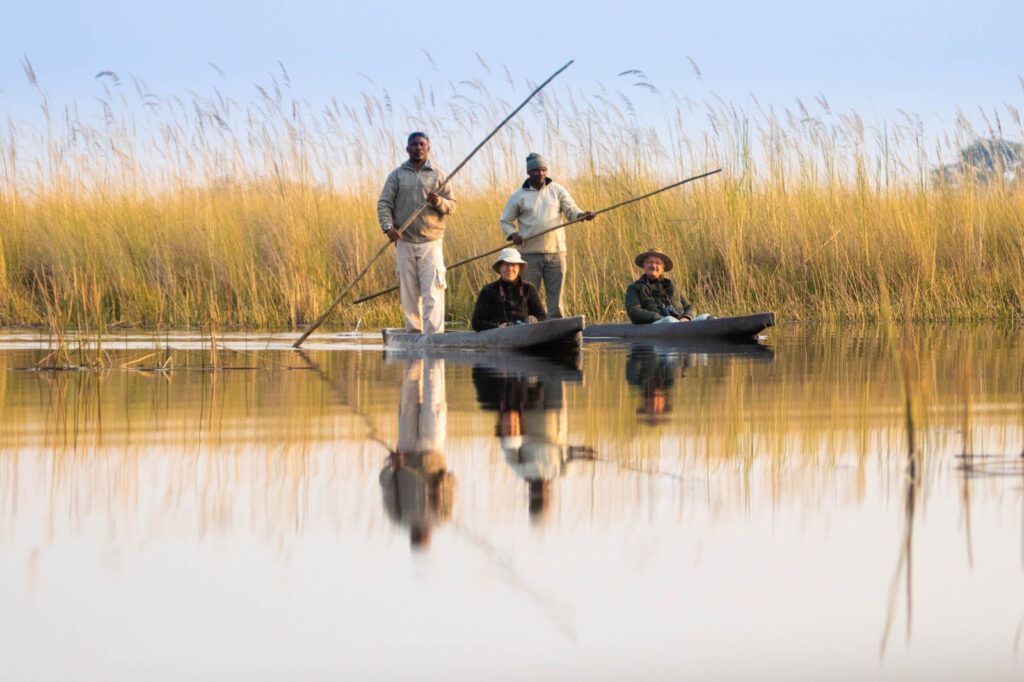
Hwange national park in Zimbabwe
HWANGE NATIONAL PARK IN ZIMBABWE
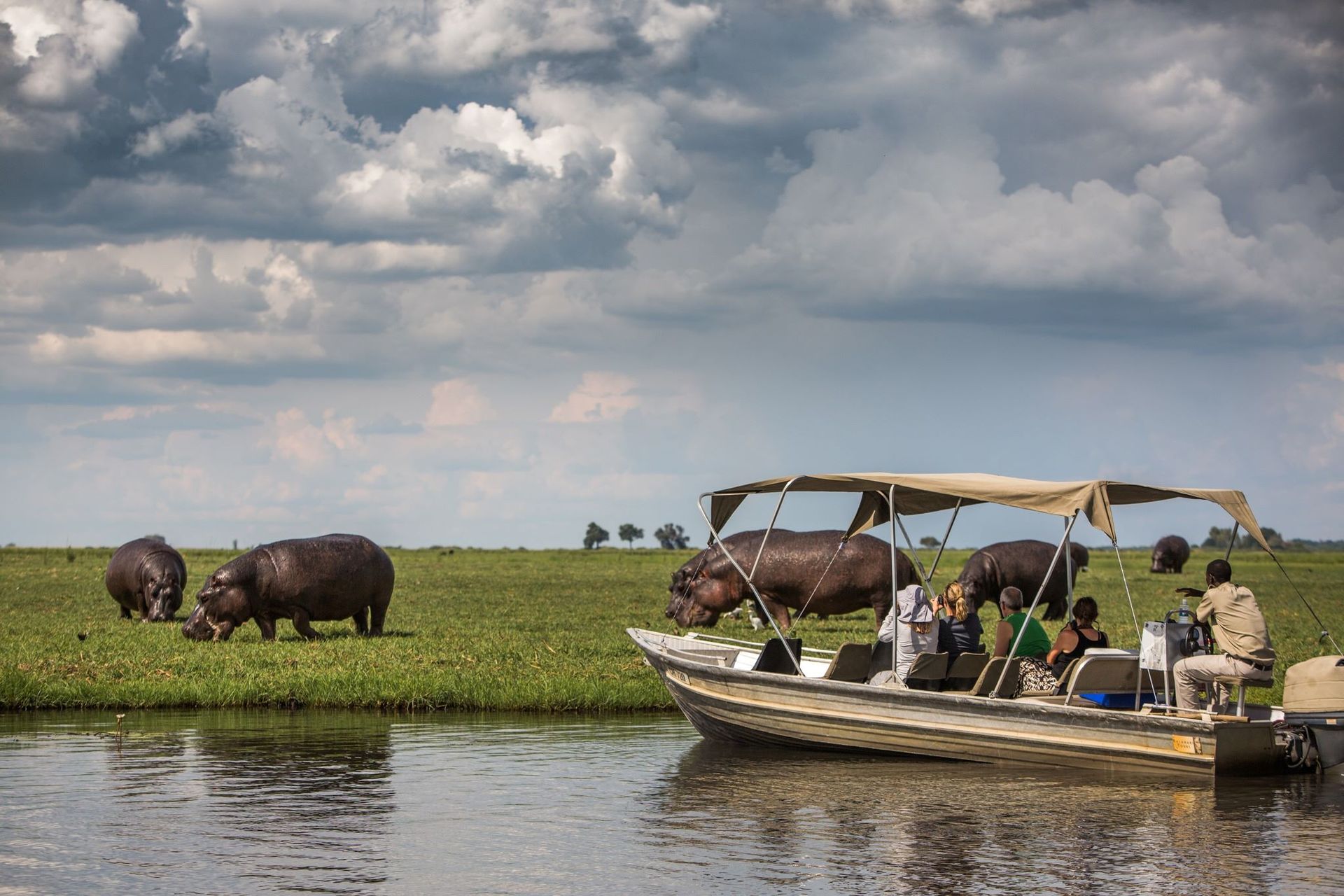
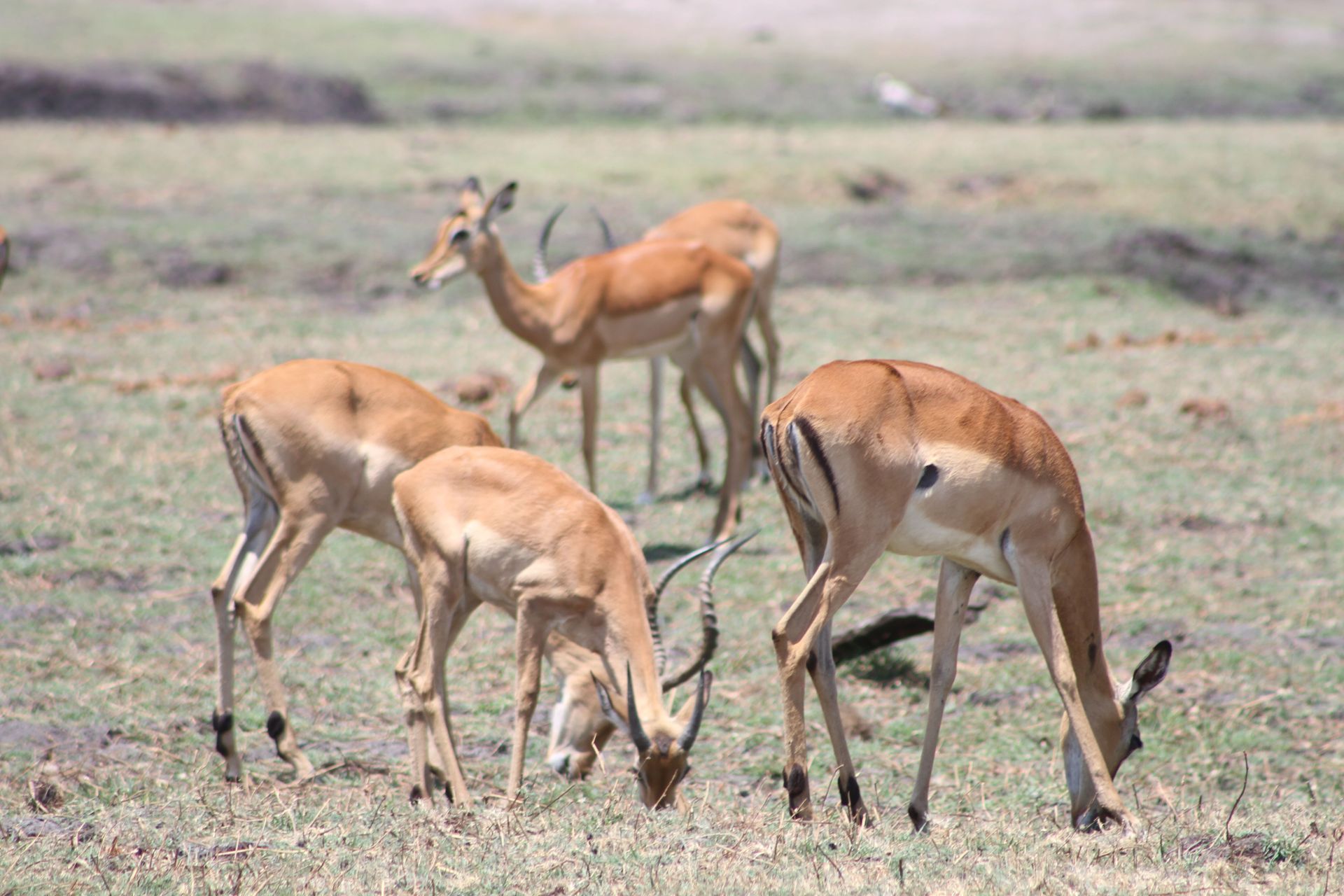
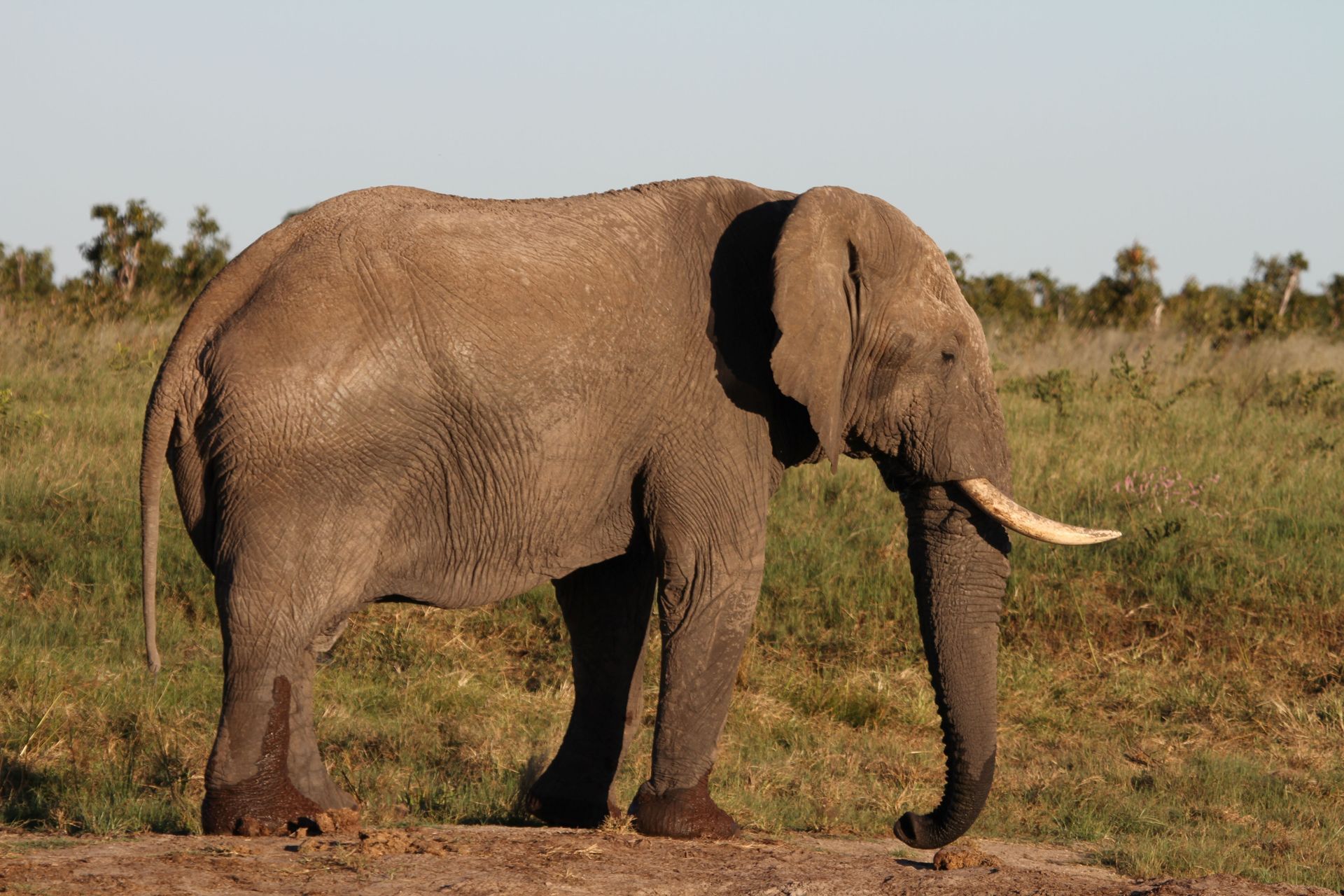
Hwange National Park is Zimbabwe's largest national park, located in the northwest, famous for its massive elephant herds and diverse wildlife, including all of the Big Five (elephant, lion, leopard, buffalo, rhino). It offers varied landscapes from teak forests to savanna, with excellent game viewing, especially around man-made waterholes during the dry season (July-Oct). Easily accessible from Victoria Falls and Bulawayo, it's a premier African safari destination for mammal and bird.
The iconic Hwange National Parkis Zimbabwe’s largest national park located in the northwestern part of Zimbabwe. It covers 14,650 square kilometres. It is home to the largest population of elephants in Zimbabwe and Africa’s largest population of the endangered wild dog and one may find rare species such as roan and sable. In addition to four of the big 5: elephant, lion, leopard and buffalo; Hwange has 100 mammal species and nearly 400 bird species. The area is mostly covered with savanna grasslands and teak and mopane woodlands.
How to get there
Access by road
Camps are interconnected by a road network.
Main Camp
From Bulawayo travel 283 kilometers towards Victoria Falls. Turn left at Cross Mabale along the Bulawayo / Victoria Falls highway and drive for 23 kilometers on tar to the Park.
From Victoria Falls, travel 172 kilometers towards Bulawayo then turn right at Cross Mabale along the Bulawayo / Victoria Falls highway and drive for 23 kilometers on tar to the Park.
Access by air
Airstrip exists at Main Camp for private/charter aircraft. Prior permission to land must be obtained from Main Camp. Fly into Victoria Falls International Airport and then travel 100 kilometers by road to the respective camp. There is an existing and serviced air strip at Robins Camp.
What to bring
- Binoculars, cameras, hiking/ walking shoes and wildlife reference books or smartphone applications.
- Food supplies enough for the stay.
- First Aid Kit (With antihistamines, plasters, arnica oil for sprains and an antiseptic for stings and cuts)
- Camping tents.
- Sleeping bag
- Torch
What to wear
If new to the region, March/ April and August / September are always good times to visit the Chimanimani National Park.
- Walkers should really carry warm, wind and waterproof clothes, a warm hat